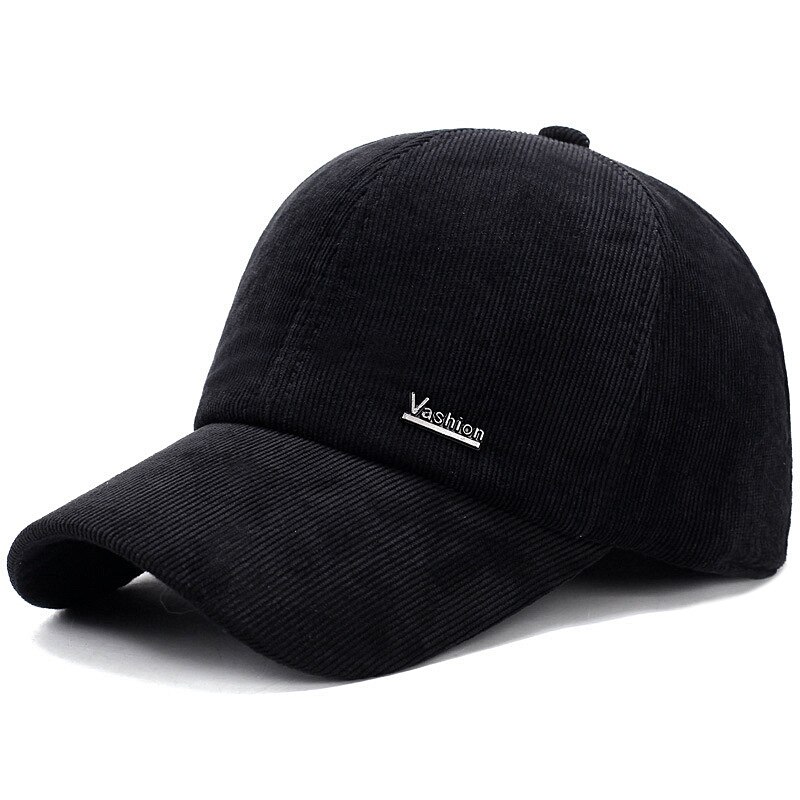
Looking back at my purchase history makes me feel foolish. All I wanted was a simple black baseball cap that would hold up during the cold months. Instead, I kept chasing sales and buying whatever was cheapest.
Over the past two years, I bought five different cheap caps. Every single one promised quality, and every single one failed within weeks. When you factor in shipping costs, the flimsy materials, and all the frustration, I easily wasted over $150 just trying to save a quick $10.
That's money I'll never see again. If you're starting your search for a sturdy, comfortable cap, please learn from my mistakes. Stop buying thin, low-quality junk. I wish I had discovered the GBCNYIER Autumn And Winter Cap earlier—it would have saved me so much stress and money.
My first mistake was assuming all caps were created equal. When I needed to replace my old favorite red baseball cap, I focused only on the price. I'd buy caps for $15 or $20. They seemed okay when they arrived, but they fell apart quickly.
The material was always thin polyester or cheap cotton blends. They stained easily and lost their shape after the first rain. The stitching was weak, and if I bent the brim too much, the inner plastic would crack. It was disposable fashion, and I hate that I kept falling for it.
I should have known better. Super cheap prices usually mean: The fabric is lightweight and tears easily.The internal structure (the bill) is made of weak plastic.The dye fades quickly in the sun, making the cap look old right away.
Next, the fit kept tripping me up. I have a slightly larger head, and finding an adjustable cap that feels secure is tough. The online pictures looked perfect—they showed the cap fitting snugly and looking substantial. But when they arrived, they were usually shallow bowls sitting on top of my head.
Some cheap brands try to fake a good fit. They use thin straps or weak metal clasps that slip constantly. I bought one cap advertised as "deep fit," but it barely covered my forehead. Looking back, I wasted so much time studying stock photos instead of checking real buyer reviews and measurements. Even when buying something as simple as oePPeo Plain Caps, you need to check the depth measurement (how far the cap goes down your head).
I learned that sizing matters more than anything. If a cap is advertised as "one size fits all" but doesn't provide a centimeter or inch range, don't trust it. They're likely too small for most adult men.
I live where temperatures drop fast in autumn. I realized my baseball cap needed to do more than just shade my eyes—I needed ear protection for walking outdoors or waiting for the train.
I kept buying summer-weight hats because I didn't research the winter cap market. I was stuck thinking about my favorite summer oePPeo Sports Caps, which offer zero warmth. I spent another $25 trying to find a flimsy cap I could pull over my ears, which looked ridiculous and felt awful.
Finally, I got smart and searched for "corduroy cap ear flaps." That search changed everything. It took me away from the world of cheap, flimsy polyester and into durable, functional headwear. I was frustrated with myself for wasting months shivering just because I couldn't be bothered to type four extra words into Google.
Here's what I was missing: